
Mold Remediation East Hampton NY | Find It, Remove It, Keep It Gone
Safe containment, complete removal, and clearance-tested results for East Hampton residential and commercial properties.
Quick Answer
Mold remediation in East Hampton typically takes 1 to 5 days for the removal phase, depending on the affected area. Smaller single-room jobs are often complete in 1 to 2 days. Larger infestations involving wall cavities or crawl spaces take 3 to 5 days, followed by a clearance air test before the containment is removed.
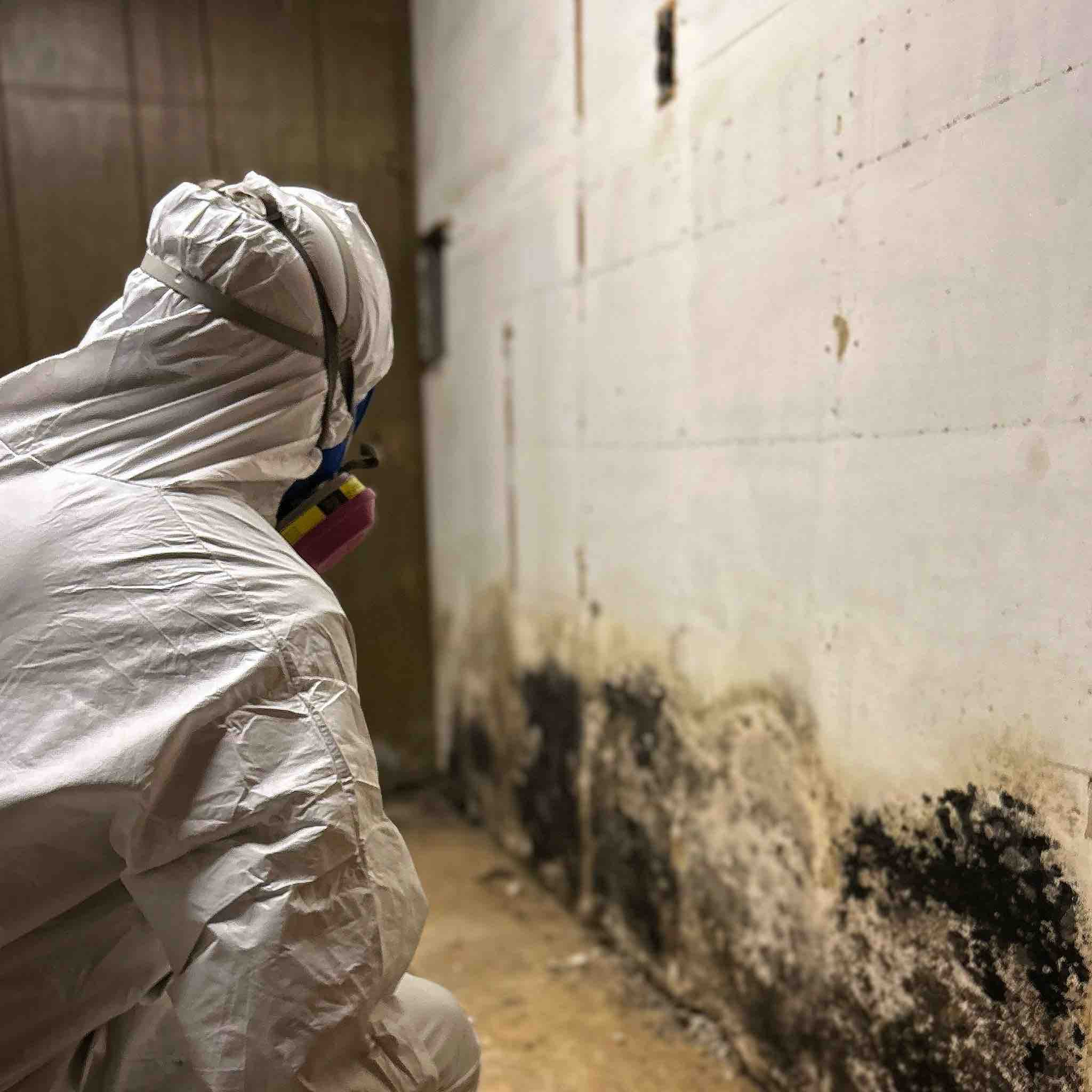
East Hampton Restoration Services provides professional mold remediation for homeowners, landlords, and commercial property owners across East Hampton, NY and all surrounding South Fork communities. We locate mold through thorough inspection and air quality sampling, contain the affected area to prevent cross-contamination, remove all affected materials safely, treat structural surfaces, and verify the work with a third-party clearance air test before we close the job. The goal is not just visible mold removal. It is a certified clearance that the air quality in your property meets acceptable standards and that the conditions that caused the mold have been addressed.
Mold grows wherever moisture and organic material meet without sufficient airflow or light. East Hampton’s climate, with high relative humidity through summer, salt air that holds moisture in building materials, and the prevalence of crawl spaces and older construction methods in the Bonacker-built housing stock, creates conditions that accelerate mold development year-round. Many of the cedar-shingled homes from the 1940s and 1950s have foundation walls that allow ground moisture to migrate inward steadily. Add a single water event from a roof leak or burst pipe, and mold colonization can begin within 24 to 48 hours in wall cavities, under flooring, and behind baseboards where it is not visible from the room.
Mold Development Timeline
Understanding how fast mold grows puts the urgency of response in perspective. Mold spores are present in every building. They become a problem when moisture provides the conditions for germination and growth. The timeline moves faster than most people expect:
- Within 24 to 48 hours: mold begins germinating on wet organic material in conditions with adequate temperature and humidity
- Within 72 hours: visible mold colonies can begin to appear on drywall, wood, and insulation
- Within one week: mold can spread significantly through wall cavities and begin producing elevated spore counts in building air
- Beyond two weeks: remediation scope grows substantially, often requiring full wall cavity demolition and subfloor replacement in severe cases
This is why mold remediation following a water event is not something to defer until it becomes visible. By the time you see mold on a wall surface, there is typically a larger colony in the cavity behind it. The EPA’s mold guidance recommends professional assessment and remediation for any area exceeding 10 square feet, and we recommend calling us any time there is an unresolved water intrusion of any size.

Health Risks
Mold exposure affects people differently depending on the species present, the spore count in the air, the duration of exposure, and individual sensitivity. Common symptoms include persistent respiratory irritation, nasal congestion, headaches, skin irritation, and aggravated asthma or allergy symptoms. Certain species, including Stachybotrys (commonly called black mold) and Chaetomium, produce mycotoxins that can cause more serious health effects with sustained exposure.
Children, elderly residents, and anyone with compromised immune function or pre-existing respiratory conditions face elevated risk. Property owners sometimes ask whether the mold they can see is dangerous. The honest answer is that visible mold appearance does not reliably indicate species or toxicity. Only air sampling and laboratory analysis can identify the species present and the spore count. We work with accredited industrial hygienists to arrange that testing when it is warranted.
Why East Hampton’s Climate Accelerates Mold Growth
Relative humidity on the South Fork regularly exceeds 70 percent through the summer months, and the coastal marine layer keeps building materials damp even without a direct water event. Crawl spaces in older East Hampton homes often have inadequate vapor barriers or none at all, allowing ground moisture to migrate up and into floor framing. The salt air corrodes metal fasteners over decades, creating small gaps in exterior assemblies that allow moisture intrusion. Seasonal properties that are closed up for extended periods without active dehumidification accumulate moisture in wall assemblies and attic spaces that never gets a chance to dry out.
When water damage occurs in this environment, whether from a roof leak during a nor’easter or a failed appliance, the ambient moisture conditions mean mold has an easier time getting established. This is why mold remediation is a frequent companion to water damage restoration on the East End. We monitor for mold throughout any water drying project and move into remediation protocol immediately if signs appear.
Remediation Process Step by Step
Our mold remediation process follows the IICRC S520 Standard for Professional Mold Remediation throughout.
-
1
Inspection and Air Sampling
We inspect all suspect areas including wall cavities, attic spaces, crawl spaces, and HVAC components. Where warranted, we arrange air sampling to identify mold species and spore counts.
-
2
Containment Setup
We erect polyethylene containment barriers with negative air pressure using HEPA-filtered air scrubbers. This prevents mold spores from migrating to unaffected areas of the building during removal.
-
3
HEPA Vacuuming and Surface Cleaning
All affected surfaces are HEPA vacuumed to remove loose spores before wet cleaning begins. We use EPA-registered antimicrobial agents appropriate for the substrate.
-
4
Material Removal
Drywall, insulation, and other porous materials that cannot be cleaned are removed and double-bagged for disposal. Structural wood that is affected but sound is cleaned and treated with an EPA-registered fungicide.
-
5
Clearance Testing
A clearance air sample is collected by an independent party after remediation and before containment is removed. We do not close a job without a passing clearance test.

Why DIY Approaches Fail
Consumer bleach and mold-killing sprays address the visible surface of mold on non-porous materials like tile grout. They do not penetrate porous materials like drywall and wood. Spraying bleach on a moldy drywall surface cleans the face while leaving the fungal structure intact in the paper backing and gypsum core. Within weeks, mold regrows from the same substrate. Beyond the ineffectiveness, disturbing mold without proper containment and negative air pressure dramatically increases airborne spore counts throughout the home, spreading the problem to areas that were previously unaffected. If the area is small and on a non-porous surface, careful DIY cleaning may be appropriate. For anything involving drywall, insulation, wood framing, or areas larger than a few square feet, professional remediation is the right path.
What a Clearance Test Is
A clearance test is an air sample collected after remediation by an accredited industrial hygienist or environmental consultant who was not part of the remediation work. The sample is analyzed by a laboratory to confirm that spore counts in the remediated area are at or below outdoor ambient levels. A passing clearance test is the documented evidence that remediation was successful. It protects the property owner, satisfies insurance requirements, and is essential for anyone who may need to disclose remediation to a future buyer. We require clearance testing on every job and can coordinate the sampling with an accredited third party. See the EPA’s mold resources for more on what to expect from professional remediation. We also coordinate with fire damage restoration when mold has developed in a water-damaged fire zone.
Mold Remediation FAQ
New York requires sellers to disclose known material defects, and mold that has been professionally remediated with a passing clearance test can be disclosed as a past condition that has been resolved. A clearance test certificate is an important document to have in hand before listing a property that has had any mold history. Talk to your real estate attorney about your specific disclosure obligations under New York law.
Coverage for mold depends on the cause. If mold developed as a direct result of a covered water loss, such as a burst pipe or storm damage, most policies in New York will cover mold remediation as part of the broader claim. Mold that resulted from long-term moisture, neglected maintenance, or gradual leaks is typically excluded. We document the cause and timeline of every mold situation to establish the relationship to any covered loss.
It depends on the size and location of the affected area. For small, isolated remediation jobs in a single room, it may be possible to remain in unaffected parts of the home with the HVAC system off and the work area sealed. For larger jobs, particularly those involving HVAC systems, attic spaces, or multiple rooms, we typically recommend that occupants temporarily relocate during remediation and until the clearance test is confirmed. If the displacement is covered under your insurance policy, we document that as part of the claim.
Mold Remediation Service Area
We serve East Hampton and all communities within 50 miles.